


Climbing To Extinction
Posted by Jeremy Windsor on Nov 11, 2022

Earlier this year the mountaineer, filmmaker and guide, Brian Hall published, "High Risk - Climbing To Extinction". Back in the 1970's and 80's, he was part of a generation of mountaineers who through a combination of fitness, enthusiasm and tremendous skill succeeded in climbing incredibly difficult mountain routes in lightweight "alpine" style. Unfortunately this came at a cost. In "High Risk..." Brian recalls many of his climbing friends, who risked, and too often lost, their lives on the world's highest peaks. Here's David Hillebrandt to tell us about the book and the impression it made upon him...
My first serious trip to the mountains was in 1964 and I was immediately hooked. I never imagined how it would dominate my life both socially and later, professionally. I started climbing before I eventually got into university so my hill apprenticeship took place in the 1970s. We learnt by doing and by being a cautious personality I survived various adventures, but I am the first to acknowledge that there was an element of luck. When I saw this book I had to read it. It was full of personalities I had been aware of, some I had met and two of whom were friends during those formative years. Each of the eleven chapters covers one of the characters who had died in the mountains or in circumstances directly related to high end mountaineering or climbing. I am not sure what I expected to learn from it. Did I want more insight into their deaths?
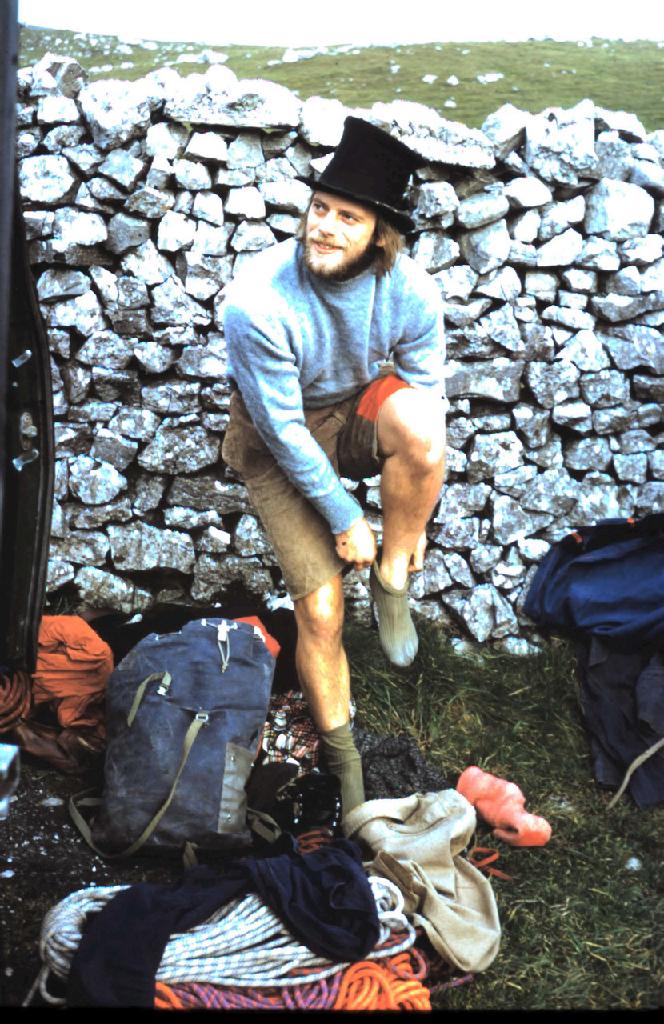
"Another slide revealed a young man with a beard and long blond hair sprouting from beneath a top hat, standing one legged on a pile of ropes while putting his boots on. It was me, and I was transported back to my coming of age in the post hippie and punk era, part of a bunch of free spirited and like minded guys whose only aim in life was to go to remote places and climb. Always broke, we drank, partied, and played music too loud. We slept on floors and hitch-hiked everywhere..."
After reading it I am no wiser - but then why should I be? As doctors we know life is made up of a variety of personalities motivated by a range of different factors. Life is richer as a consequence of this variety. As doctors we also know that death can be just around the corner for any one of us at any time. We see this as part of our daily work. Brian’s book fully illustrates this.
Society in the 1970's was still influenced by the war in Europe and its acceptance of death. People were more accepting of risk than in our current sanitised society. I have always been fascinated by the difference between real and perceived risk. This book also illustrates the role of luck.
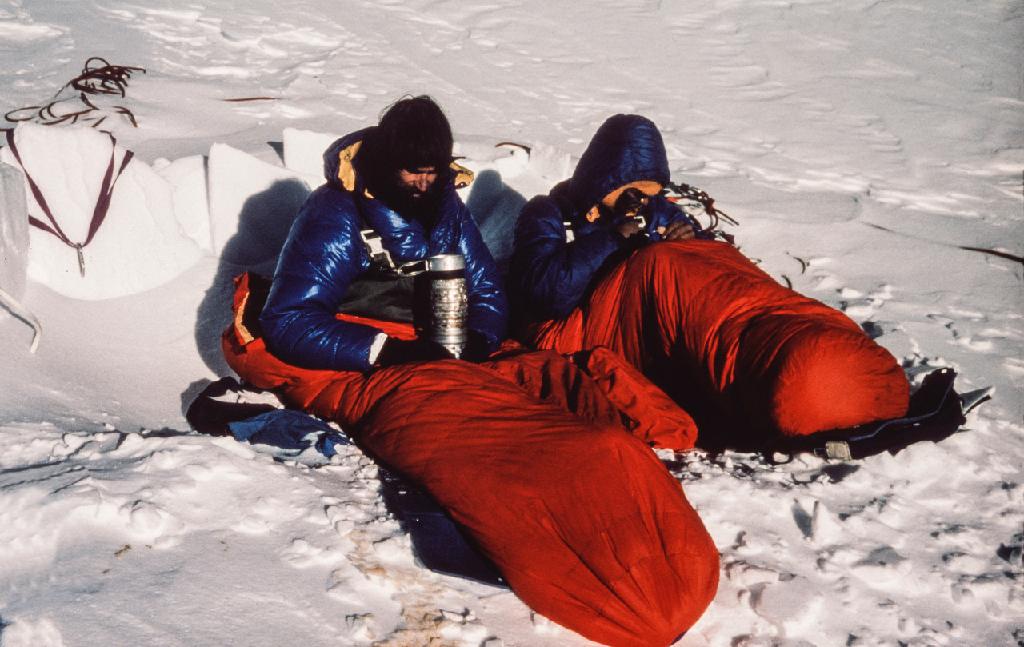
"In the arrogance of our youth, buoyed and perhaps blinded by our triumphs, we had no sense of our own mortality. Ignoring the warning signs with a flippant, it will never happen to me. Genetically programmed to take risks, we had a sense of invincibility. One thing was clear, we were intoxicated and addicted to the feeling of going into the danger zone and coming out unscathed..."
Some modern gym trained climbers may be shocked by the risks taken on long hard routes. Some current students, who live in accommodation with en-suite pampering, may be shocked at the sordid homes of students in the 70s and others will be shocked by accounts of drug and alcohol fuelled exploits. The stories have not been grossly exaggerated over time. I still miss the glorious days of hitchhiking. Everyday an adventure.
On rereading this blog I realise that what this book has achieved is that it has made one aging climber relive some great routes and more importantly reflect on several old friends who have died over the years. It is the friendships made in the hills that really matter.
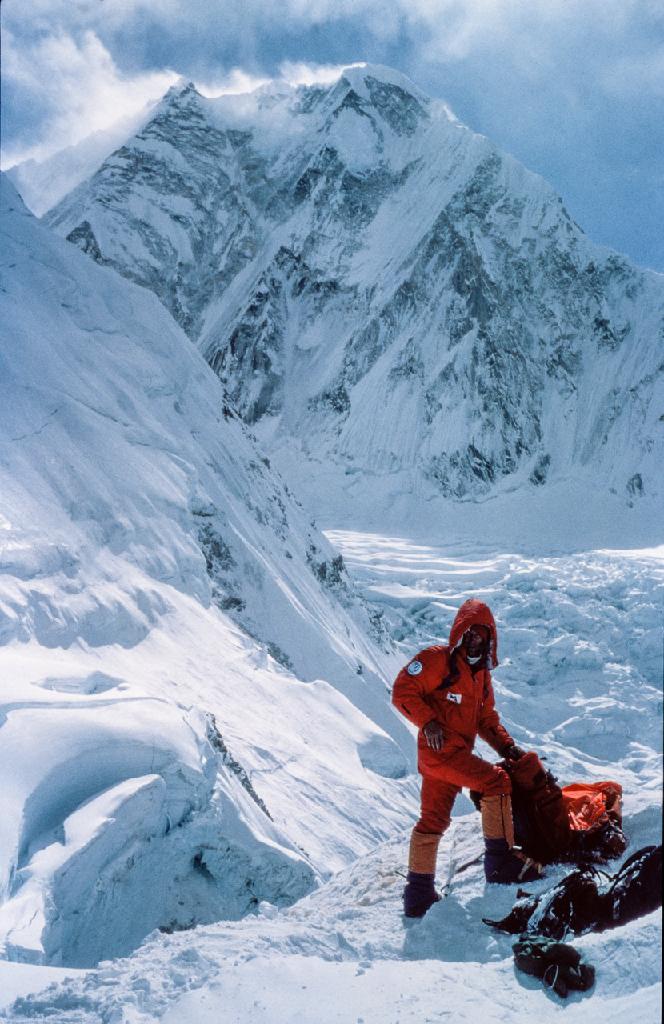
"I had not worried about how the consequences of my death would affect my parents and, with a sense of everlasting guilt, I regret that cavalier attitude. When I sorted out my mother's belongings after her death, I realised how close and intimate her memories were. Hidden inside a chest I found a collection of clothing, toys and drawings belonging to my younger brother, Stephen, who died of a heart condition when he was eight. I unashamedly cried. How could I not see that high risk mountaineering and the well publicised deaths of some of my friends would have had an unbearable torment to her?"
Should you read it? Well it certainly documents a very special era of British mountaineering. It also gives some amazing insights into some amazing routes and amazing people. But don’t expect answers to life’s dilemmas. There are no simple answers to those questions and the answers ultimately lie in our own minds.
"High Risk - Climbing To Extinction" is available now from all good book shops! It's well worth putting on the Christmas list!

Comments
Leave a comment.

 )
) Bronze
 Silver
 Gold
Gold Platinum
 Palladium
 Internal