


"This is Serious..."
Posted by Jeremy Windsor on Apr 7, 2023

Atrial Fibrillation (AF) is the commonest form of irregular heart beat. The effect on individuals vary. Sometimes it's picked up for the first time at a health check and is hardly noticed. However in some indviduals, especially those who are young and fit, the effects can be devastating. Here's an interview with Ed Chard, Operations Manager at Jagged Globe, that illustrates just how crippling AF can be...
Thanks Ed for talking to me. Before we talk about the events of the last six months can you describe your previous levels of physical activity? Where had your work with Jagged Globe taken you?
I'm normally a fit and active climber, swimmer and cyclist. I would regularly cycle 100km in a day, take part in 10km outdoor swimming events and climb year round across the UK, I would typically lead a couple of expeditions to altitude each year, often to the Greater Ranges and work across our climbing and mountaineers courses in the UK.
In terms of health, my "normal" resting pulse rate was around 55 beats per minute and normally I have a body mass index of around 25. I had normal blood pressure and low cholesterol. I don't smoke and drank only 3-4 units of alcohol per week.
When did things go so badly wrong? Where were you and what happened?
In July 2022, I was leading a mountaineering expedition to eastern Greenland along with another guide and ten clients.
The trip was a self supported expedition, once we had been dropped off on a remote island we had the place to ourselves. It was a stunning location camped in the side of a fjord with snow capped mountains and glaciers coming down to the sea. We were planning to be there for four days before tackling some bigger and harder objectives further afield.
The first few days were fine and everyone was enjoying the trip, but then on day 5 I experienced what I would describe as "common cold and flu symptoms". I carried on guiding on day 6 but by the end of that day I felt totally wiped out and was clearly going downhill (no pun intended!). I took a Covid 19 rapid flow test that afternoon which was negative and retired to bed. That evening I began to get short of breath (up to 30 breaths per minute) and started to develop a racing heart beat (around 180 beats per minute). The symptoms came and went throughout the night but were very concerning to say the least.
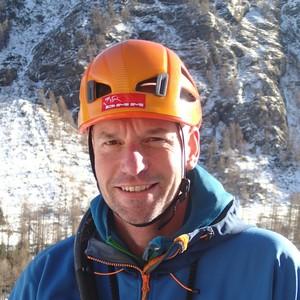
Ed Chard in happier times!
In the morning I had a discussion with the whole team, it quickly became apparent that we had to abandon the expedition and I needed some medical assistance.
We were picked up the following day. I isolated as best as I could from the rest of the team (I had now tested Covid positive) and we returned to the nearest town with an airstrip. A day later the clients flew home leaving my colleague (now testing Covid positive) and I to recover. My heart and breathing rate continued to fluctuate. I had contact with UK based medical assistance, but no local medical support was available. Three days later, after testing negative for Covid 19, my colleague and I flew home via Iceland. Prior to doing so I decided to take a low dose of aspirin as a blood thinner, a move that proved to be very sensible. I was feeling very weak and concerned for my overall health.
We landed at Heathrow in 40 degree C heat and I drove home to Sheffield, much to my wife's concern! After a failed attempt to access my GP, the following day I elected to attend the A&E department at Chesterfield Royal Hospital (CRH).
At CRH you were diagnosed with atrial fibrillation (AF). In your email from the 25th July you describe the treatment - beta blockers and anticoagulants - but also a degree of uncertainty, "there's been lots of 'we'll have to see' type comments". What do you remember of that time?
I remember the triage nurse's face in A&E when she took my pulse and oxygen saturation on admission. I was, as I learnt later, at high risk of stroke due to my heart not fully emptying and refilling with each beat. The aspirin had been a good idea! I was soon on oxygen and had been given beta blockers to control my racing pulse (at that point, around 150 beats per minute at rest).
As someone who has always been fit and healthy, being in a cardiac ward being surrounded by very sick patients was alarming. It wasn't for some hours after various scans and tests that I was assured I wasn't at immediate risk of dying but that the road to recovery was going to be long and uncertain. I remember Googling for the first time, "atrial fibrillation" and thinking "bloody hell, this is serious".
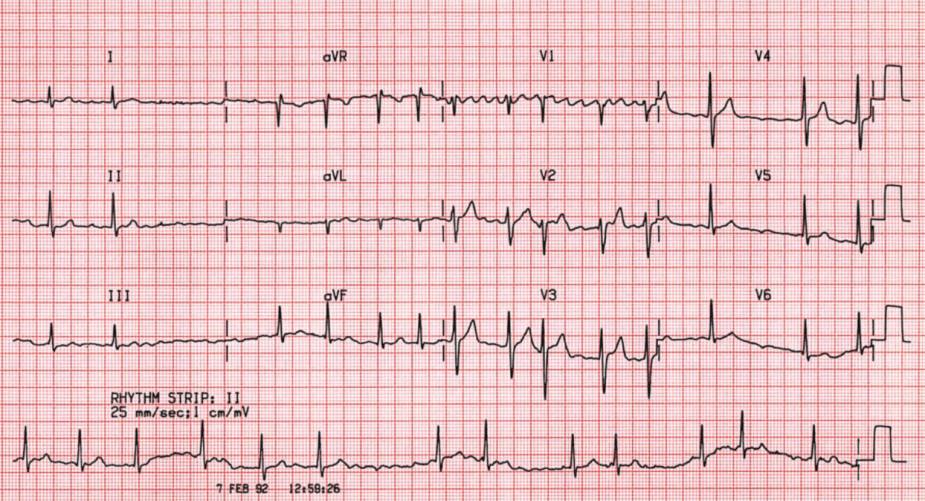
An ECG of a patient with atrial fibrillation - look for the irregularly irregular rhythm, the lack of P waves, normal QRS complexes and a highly variable ventricular rate
A few days after that email we spoke on the phone. We talked about what may have triggered your AF. What struck me was that you had very few risk factors for developing the condition. You were previously incredibly healthy and lived a very active life. It must have felt incredibly frustrating.
I think I was in a state of shock and an element of disbelief, I looked for rational explanations but found none. Coronavirus was clearly the unusual, and possibly contributing factor, but it became increasingly clear that noone could give me a definitive answer to "Why me?". That then led to, "Will it happen again?", "What's the rest of my life going to look like?" etc etc.
As summer turned to autumn the AF persisted and you underwent a cardioversion. You were given sedation and received an electric shock to the heart. When you wrote on the 8th September it sounded like it had been a success, "now starts the slow journey back to fitness". What happened next?
After I found out that the success rate of cardioversion was 65% after six months I thought that I was in the clear. I could put all this behind me and get fit again. That feeling lasted for about five weeks when I reverted back into AF. I was shattered.
I think this was actually my lowest point. I had mentally put myself in the "fixed" box but I had to climb out of it and get myself back into the "broken box". It was incredibly depressing. The advice was to double the beta blocker dose and be put on the elective list for a cardiac ablation - and face a wait of 6 months.
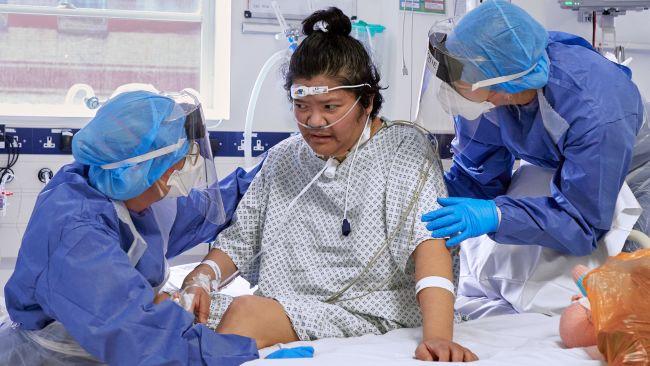
Once the diagnosis is made, it is essential to identify any underlying causes. Common triggers include hypertension, ischaemic heart disease, pulmonary embolism, hyperthyroidism, electrolyte disturbances and infection. New onset AF has been detected in 5% of those admitted to hospital with Covid-19 infection
And so it was back on the bisoprolol. Something David Hillebrandt once described as a, "filthy drug" that made him into a "miserable git". How did you find life on the medication?
My mood took a nosedive. I stopped all exercise and felt as if I couldn't function normally. It felt essentially as if a bin lid was closed over me and stopped my heart from going aboce 130 beats per minute. Resting was around 120 beats per minute. Walking, swimming and climbing stopped completely.
A good analogy would be that it felt like putting my foot down on an accelerator of an underpowered car going uphill. I ceased to be "excited" about anything and went from a "glass half full to a glass half empty" person in days.
Finally on the 6th February 2023 good news arrived. A few days earlier you'd undergone a successful cardiac ablation procedure at the Northern General Hospital in Sheffield. Can you talk us through it?
The whole experience was a positive one. I was back home after 10 hours of excellent care and professionalism from the NHS. I found the procedure fascinating, by using my femoral vein, catheters were fed into the right atria of my heart. Along with electrodes placed onto my back the team were able to map the stuctures and most importantly, the electrical activity of my heart. Once the rogue current had been identified, a blocking wall of non-conductive wall of scar tissue was put in place by burning a line across the base of my right atria with a seperate catheter.
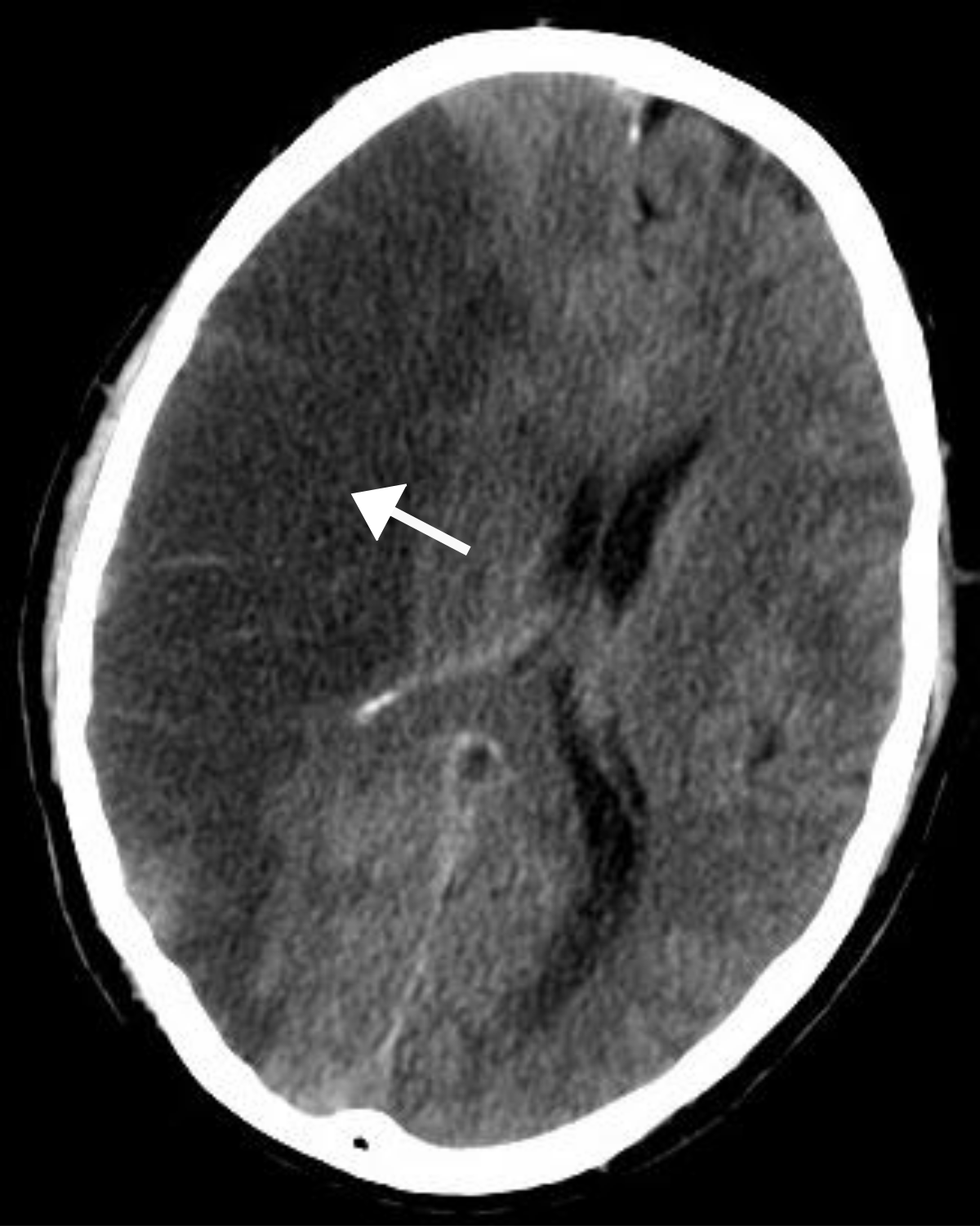
The risk of ischaemic stroke is significantly higher in those with AF. This can be determined by calculating the CHA2DS2VASc Score. The addition of Covid 19 infection is thought to increase this risk still further
I was awake throughout the whole procedure and only had some slight discomfort when some areas proved to be more stubborn to burn than others.
The wound site in my leg needed some special care, particularly as I was on blood thinners, direct pressure when the lines were removed took around 20 minutes to stop the bleeding! After a few days I could walk around and within ten days started to gently exercise again.
In that email you wrote, "I'm sitting here at home with a resting pulse of 55bpm and blood pressure of 120/80. For me that's a huge thing to be able to write after six months of physical, mental and emotional difficulty". What would you say to those who might be going through something similar?
Being able to write those words was quite emotional.
Throughout the period, I've had complete trust in the advice I was given by medical consultants and I knew I had a good chance of making a complete recovery. However until I actually came out of the other side, I had a non-rational fear of not returning to normal life and having to become a different person. Making life plans without everything that gives you your identity is a sobering process. My advice to anyone else who finds themselves in the same position - educate yourself on the condition, follow the advice given and trust that you'll come out the other side.
I sought advice from all sorts of friends, colleagues and professionals. Clearly I'm not a cardiologist but with the amount of information I've read and listened to over the last six months - I'd give it a go!
Several people have kept me sane over the last year, they know who they are because I've told them; make sure you do the same.
Thanks Ed for sharing your experience. What is so striking about your answers was just how debilitating your AF turned out to be. This may come as a surprise to some readers. Many patients seem to get off lightly. Some need medication to control their heart rate or restore a normal heart beat, but most get by with some form of anticoagulation. They tend to be elderly, sedentary and have little appetite to push themselves. But clearly that's not the case for younger, fitter and more active people. Your experience is an important reminder that AF can have massive life changing effects that can prove very difficult to treat.
Thanks for reading this post. If this is your thing why don't you take a look at other posts on the blog? Better still, why not join the British Mountain Medicine Society? More information can be found here
For more information about the University of Central Lancashire's Diploma in Mountain Medicine (DiMM) take a look at this.

Comments
Leave a comment.

 )
 Bronze
 Silver
 Gold
 Platinum
 Palladium
 Internal