


Melatonin and the Mountains
Posted by Jeremy Windsor on Jun 27, 2025

Next week I'll be returning to Lenin Peak as a member of the Slava Topol Project's PSAR team. Whilst we're there we'll be providing medical care to all those on the mountain. In addition, we'll also be collecting data for a series of research projects. Since my first visit in 2024 I’ve written about some of the people I’ve met along the way - including Hermann, Brett and Yasmin. In this post I’m going to look at a treatment for insomnia that has been widely used on the mountain and try to answer the all important question, "Does it work?"
I first came across melatonin a few years ago when a new colleague started prescribing it to patients on our critical care unit. One of the many problems that affect the most seriously ill is poor sleep. Many simply can’t get off to sleep or if they do, they're awake an hour or two later. At best this leaves them tired and irritable, at worst they’re delirious and slow to recover from their life threatening illness. Evidence is limited but used for a few days, some patients find that melatonin helps restores a normal pattern of sleep.
But can it help improve sleep at high altitude? I have to be honest - my immediate reaction was “No”. Isn’t sleep disturbance at high altitude triggered by periodic breathing? Anyone who’s been to altitude will know what I’m talking about. That uncomfortable pattern of rapid breaths and long pauses that leaves many waking with a sense of suffocation. Surely the only answer is to break the cycle? Periodic breathing can be reduced in several ways. If your budget allows then you can hire a hypoxic tent and sleep in it for several weeks before departure. Many who use this kit report sleeping well when they finally make it on to the mountain. On Everest and other 8000m peaks this is often combined with sleeping with supplemental oxygen (0.5-1l/min). Those who recently completed the seven day round trip from the UK to Mt Everest would have slept soundly on the mountain thanks to very comfy beds and a generous amount of oxygen!
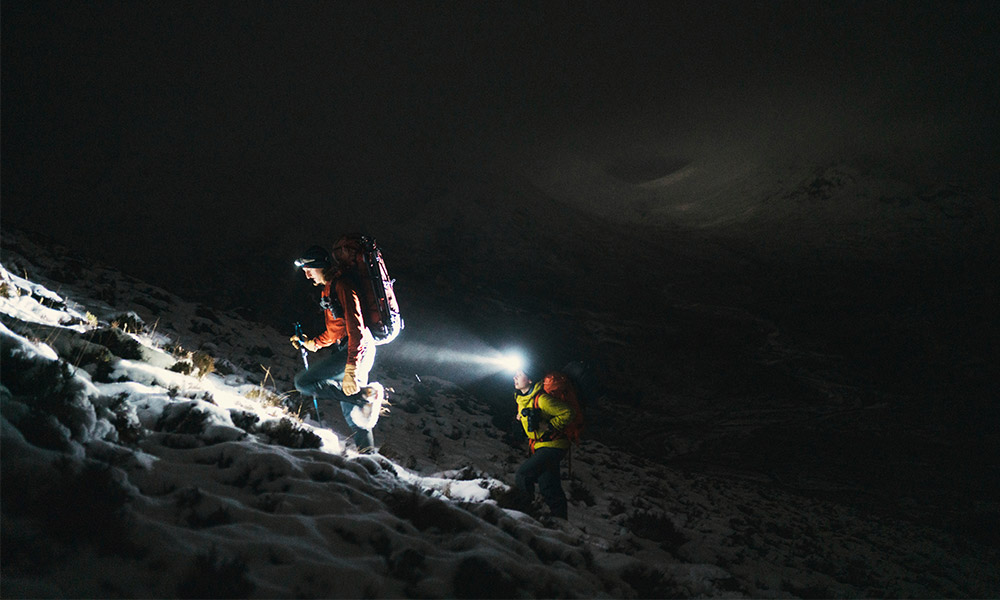
Melatonin is produced naturally in the pineal gland and is released into the blood stream as the body senses falling levels of light. Along with the capacity to induce sleep, melatonin supplements have other properties that may help improve sleep at high altitude
For those who can’t afford the luxuries of a hypoxic tent or supplemental oxygen, a dose of acetazolamide (125-250mg) can help restore normal patterns of breathing at high altitude. However in my experience the improvements fade after a few hours and come at a cost - whenever I take acetazolamide, it's diuretic effect means that I spend most of the night with a full bladder!
On Lenin Peak, I spoke to several mountaineers from Iran, Kazakhstan and Turkey who told me about their experience of taking melatonin. Compared to their friends, they were getting off to sleep quicker, sleeping for longer and waking each morning more refreshed. So how does it work? I suspect there are 3 things going on here...
- Rather uncharitably, I'll start by saying there's always the chance of a placebo effect. What happens when someone is unknowingly given a placebo and told that it will improve their sleep? A small but significant number say that it makes a difference.
- More positively, there is evidence showing that melatonin helps those who are jet lagged. Many who cross multiple time zones to reach Lenin Peak are likely to be jet lagged in their first few days at high altitude. Melatonin might just be helping address this and not the sleep disturbance caused by high altitude.
- Improvements in sleep at high altitude may be down to the drug's antioxidant effect. Antioxidants have been studied at high altitude for several years. If you’ve read about mountaineers drinking beetroot juice or some other unpleasant vegetable supplement, it's the antioxidants that they're looking for!
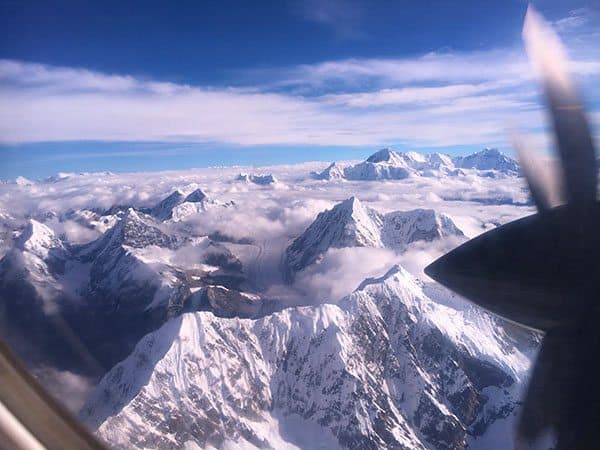
Melatonin is widely recommended for several causes of insomnia - including jet lag, shift working and traumatic brain injury. It has very few side effects and can be taken safely with other drugs
When a cell is starved of oxygen it produces reactive oxygen species (ROS). These compounds exist for fractions of a second and affect the behaviour of a range of different cells. High altitude researchers have zero'd in on the harms that ROS might do. But it's worth mentioning that in some cells, ROS may also offer benefits. At present, we simply don't understand the many pathways affected and the impact ROS has on the health of those heading to high altitude. Nevertheless, there's plenty of researchers who feel that reducing ROS with antioxidants is a good thing and worth pursuing.
Back in 2022 an enthusiastic group of researchers published a review that recommended the use of melatonin for sleep disturbance at high altitude. Unfortunately evidence to support this was limited - the authors were only able to identify a single trial that was published as an abstract in the medical literature. Details are limited but it appears that a group of 13 mountaineers on Denali were randomised to either melatonin or placebo. At 4300m, the research team concluded, "after taking melatonin, participants fell asleep faster and experienced less wakefulness after sleep onset than after taking a placebo".
So whilst there is extensive evidence for the role of melatonin in the treatment of jet lag, we don't yet know if it helps reduce sleep disturbance at high altitude.
There's studies waiting to be done - could you be the person to do them?
Why not come to Lenin Peak and we'll make it happen!
If this is your sort of thing why not take a look at other posts on the blog?
Better still, why not join the British Mountain Medicine Society! More information can be found here.
For more on the University of Central Lancashire's Diploma in Mountain Medicine take a look at this.

Comments
Leave a comment.
Leave a comment.

 )
 Bronze
 Silver
 Gold
 Platinum
 Palladium
 Internal