


Mountain Master!
Posted by Jeremy Windsor on Mar 1, 2024

Earlier this year James Bridger was awarded his MSc in Mountain Medicine by the University of Central Lancashire (UCLan). We caught up with James to tell us about his background, the process of completing the MSc and ... his winning of the Lucky Jim Award!
James, before we start - many congratulations on completing your MSc in Mountain Medicine and winning the 2023 Lucky Jim Award! Before we talk about them both, can you tell us a bit about yourself?
Thank you Jeremy and nice to talk to you.
So a bit about myself … my name is James Bridger. After serving for a number of years in HM forces I left in 2006 to join the London Ambulance Service (LAS). I had an interest in first aid and medicine and it seemed a natural course to follow as I was not the type to be sat behind a desk! When I joined LAS it was still by the “old” way as a technician. After a number of years I earned my registration as a paramedic. I worked in a number of roles including front line ambulances as well as acting as a mentor to students. In 2012 I transferred services down to the south west of England.
Whilst in the south west I had the opportunity to work as a paramedic supporting the nursing team in an accident and emergency department. This served as a stepping stone into advanced clinical practice (ACP). I enrolled in 2019 and was awarded the MSc in ACP in 2022 (this took a while longer than planned due to COVID). I currently work as an ACP in a Urgent Treatment Centre / Emergency Department in the south west.
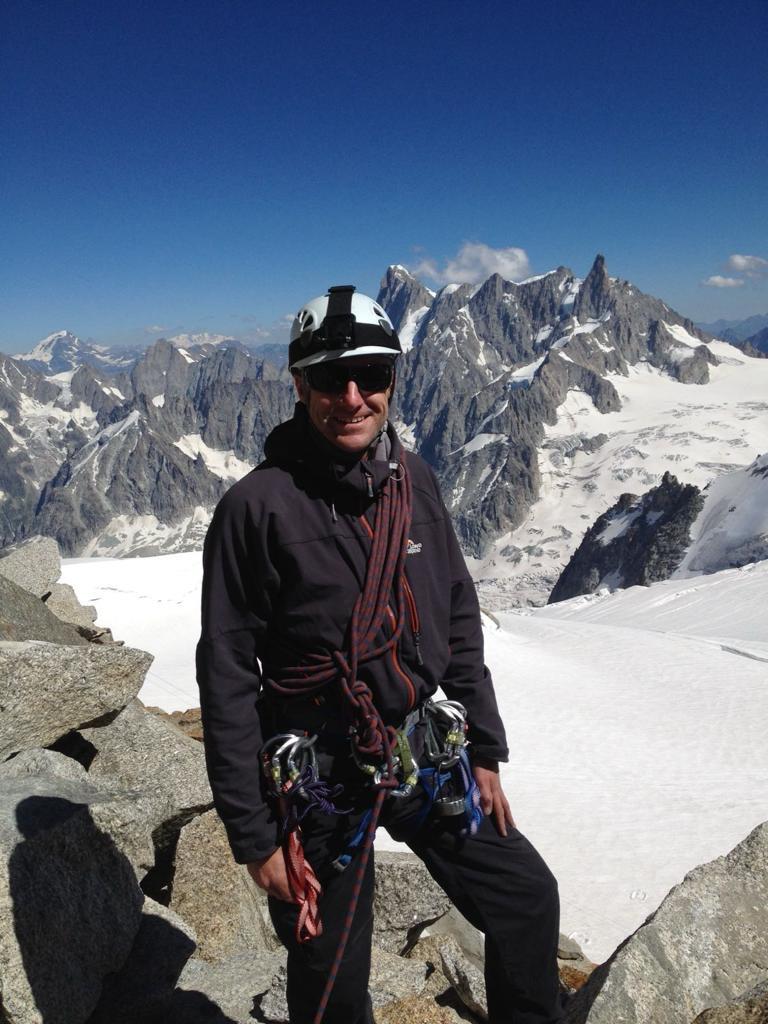
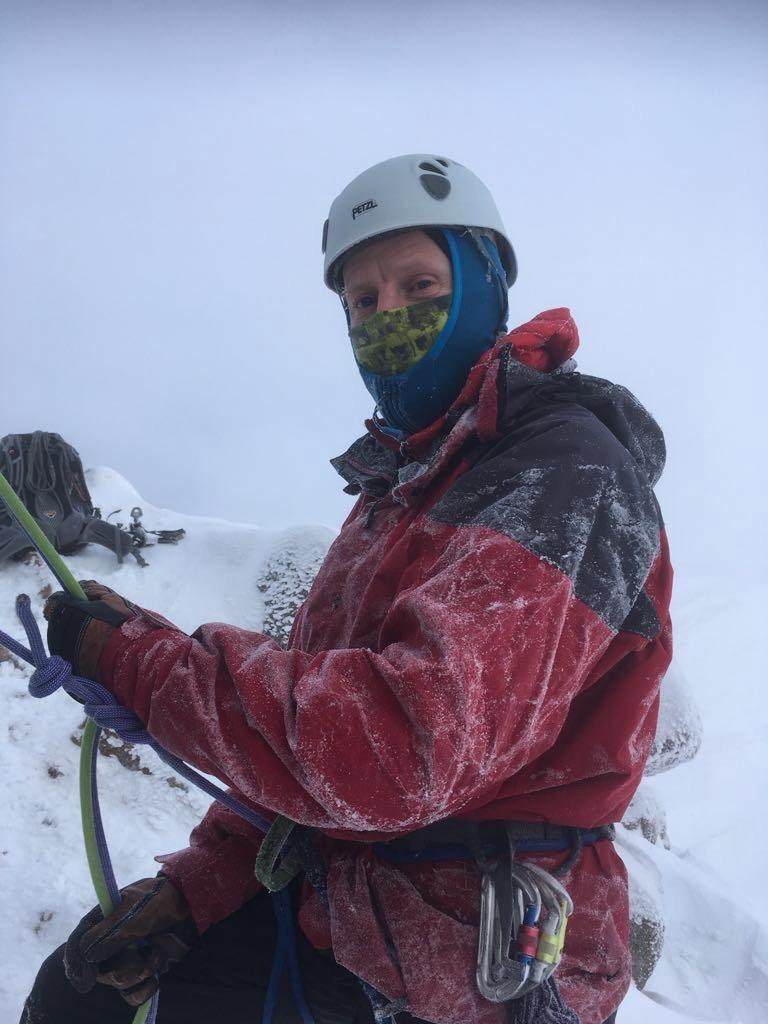
From a young age and through the armed forces I have always loved the outdoors and been drawn to the mountains. With this I have attended a number of courses at the National Outdoor Centre at Plas y Brenin (PYB) - including the Summer Mountain Leader and Single Pitch Award, as well as a number of kayaking and winter climbing courses. These have allowed me to lead a number of overseas expeditions.
It was on one of my visits to PYB that I was able to sit in on one of the Diploma in Mountain Medicine (DiMM) evening talks.. Afterwards, I managed to speak to Dave Hillebrandt and the seed of interest was planted!
What led you to decide on a MSc in mountain medicine?
When speaking to Dave it was not the right time in terms of starting the DiMM, both financially and academically. I went and studied for my paramedic degree and gained more outdoor and clinical experience.
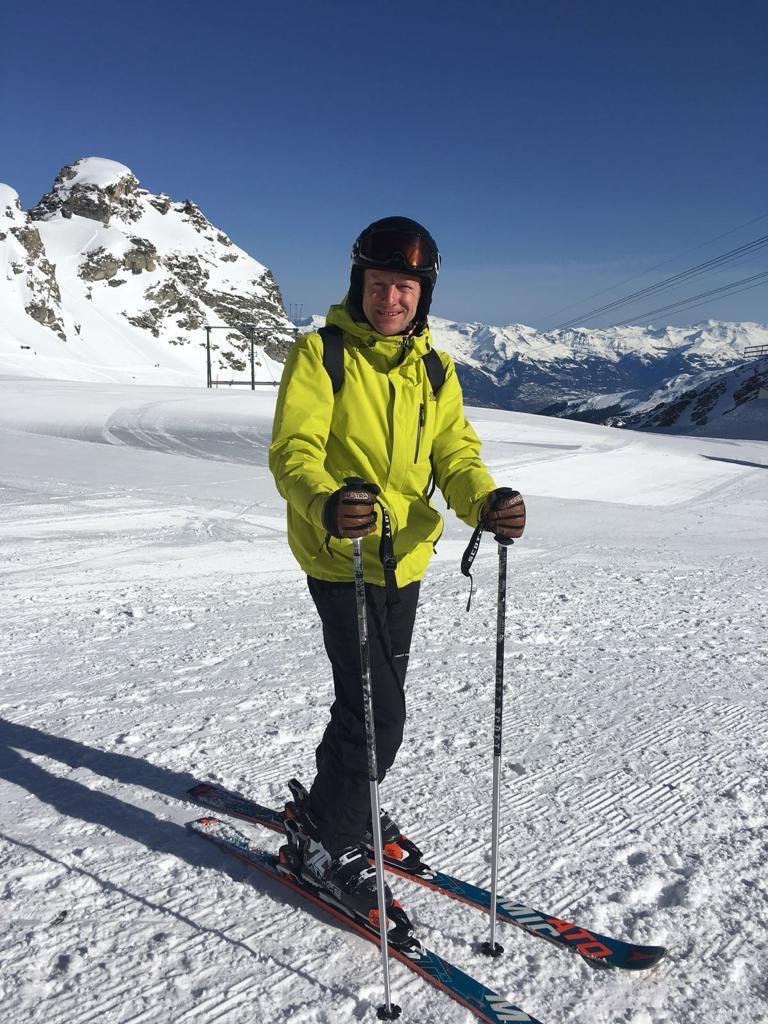
But in 2015 I finally started the DiMM. This was amazing and I was fortunate enough to be able to complete the four modules in two years AND meet many likeminded people, whom I am still in contact with today (and go skiing and climbing together … even attempting a glacier crossing in Norway!!)
I was awarded the DiMM in 2017 and have always maintained an ongoing interest, through attending conferences, CPD and training opportunities, in mountain and wilderness medicine. Whilst completing the MSc in ACP I heard about the opportunity to study mountain medicine up to MSc level through UCLan.
The MSc is open to all holders of the DiMM and involves completing a dissertation. Many students opt to undertake research. Can you tell us about the area you looked into?
There were a number of areas I considered. However in the end I decided to look at development of a personal high altitude medicine pack. At present, no such pack is commercially available. The premise of the pack is to give individuals, whether they be climbers, mountaineers or trekkers who ascend to high altitude, ownership of their own care. The personal medicine pack contains medications that can be used to treat common life threatening illnesses found at high altitude. The packs would be a quick “fix” and assist mountaineers in their descent. The individuals would receive comprehensive training and education, not just in the packs and its contents, but also the diagnosis, progression and management of life threatening illnesses.
How did you collect your data? What were you collecting?
The data was collected from secure and anonymous questionnaires. The questionnaire was broken down into three sections: demographics, altitude experience and the pack itself. There were also sections were participants could provide free text answer to support the answers or offer insight or suggestions for the development of the pack. The questionnaire was disseminated to the DiMM email group as well as to members of the British Mountain Guides and expedition leaders and guides who worked for Jagged Globe.
What were your findings?
The questionnaire was sent to 609 participants and I received a total of 46 responses. This yielded a response level of just under 8% and though this may seem low, in terms of cold call questionnaire responses this is above average - normally this is <2%!
The participants who responded showed a high level of experience not just in high altitude medicine but also in the amount of time spent at high altitude themselves. As the participants were from both a health care and guiding professional background this showed that the responses would offer the right level and appropriate insight. Though the questionnaire yielded a response of less than 10% the knowledge and experience of the participant group ensured that the results were clearly well thought out and steeped in considerable experience.
One of the key findings from the research was to the question of whether, when asked, the participants felt that suitably trained mountaineers would benefit from carrying a personal high altitude medicine pack to treat the life threatening conditions that they might encounter at high altitude. 94% answered yes to the question. With such a high percentage, though the sample size was small, it could be argued that this response showed a very good consensus amongst the group.
This research was only the first stage in the development of the personal high altitude medicine pack. A number of further questions still need to be answered:
• At what altitude should the pack be carried?
• Where should the pack be stored?
• What should be the size and weight of the pack?
• How will the medications be stored?
• What medications should be included in the pack?
• What training should the climbers undertake in order to use the pack safely?
What were the most challenging parts of your dissertation? How did you overcome them?
One of the most challenging parts was the development of the questionnaire and a lot of time was needed to produce the final one. The questionnaire had to be short enough to keep people, engaged in the research and still be detailed enough to gain enough insight and data for analysis. The development required a number of draft issues being discussed with the unit supervisor as well as selecting a small peer group to review and feedback on the final draft, from which the final questionnaire was produced.
Due to the time taken in developing the questionnaire the timeframe for respondents to reply was short, unfortunately there was nothing I could do to overcome this but it is something to be considered for any future research.
The dissemination of the final questionnaire was a challenge not just with the participants needed but aiming to ensure a broad enough spectrum of health care professionals and guiding professionals were identified for the research. To try and achieve the depth of experience and knowledge I contacted the president of the British Mountain Guides as well as the Operations Manager of Jagged Globe to ask for their support in the research.
The uptake of responses was initially low and to overcome this I recontacted the participants with a view to getting more participants to engage in the research.
What advice would you give to those who are thinking about a MSc in mountain medicine?
I think my advice would be similar to that suggested by others:
1. Find an area of research that you are interested and believe in. The dissertation takes the best part of a year to complete - that can be a long time if your heart's not in it!
2. Plan your time. This goes along with point 1! There seems like a long time but with having to do research as well as having to compile the dissertation the time soon goes, and combined with life, work, family, kids and adventures the time goes even quicker!
3. This goes along with the previous points but find an area of research that you will be able to do in a year. Thinking back to some of the areas I considered they could be the basis for a PhD and even with the area I decided on there was still a last minute rush to get it finished!
4. In terms of the DiMM itself … do it! It’s a great Diploma not just in terms of the clinical knowledge and practice gained but also the development of practical mountaineering skills. The DiMM also offers the chance to work and learn from a faculty renowned for knowledge and experience in mountain and wilderness medicine and gives the opportunity to meet with fellow likeminded clinicians and mountaineers.
What does winning the Lucky Jim Award mean to you?
I was fortunate to meet Jim a couple of times at the DiMM and was able to hear him talk about a number of areas of mountain medicine and research … what an amazing, interesting and nice guy!
To be awarded the Lucky Jim Award is a bit mind blowing to be honest. Not just in terms of what the award represents and stands for but also be grouped in the same class of previous winners.
I hope to represent the award well and have already been asked to present at a conference this year and the development of a trial pack is already underway for use on an expedition later this year.
Well done James! Thanks for sharing your experience. I'm sure it will encourage others to think about undertaking a MSc in mountain medicine!
More interviews with previous Lucky Jim Award winners can be found here.
Thanks for reading this post. If this is your thing why don't you take a look at other posts on the blog? Better still, why not join the British Mountain Medicine Society? More information can be found here.
For more information about the University of Central Lancashire's Diploma in Mountain Medicine (DiMM) take a look at this.
Find out more about mountain medicine research at the UCLan Centre for Mountain Medicine.

Comments
Leave a comment.
Leave a comment.

 )
) Bronze
 Silver
 Gold
Gold Platinum
 Palladium
 Internal