


MSc Mountain Medicine at UCLan
Posted by Jeremy Windsor on Dec 8, 2023

As health care professionals we’re taught from an early stage to focus upon the patient in front of us. From the moment we introduce ourselves our time is taken up with diagnosing, treating and documenting the management of individual patients. But what if we could take a step back and examine the behaviour of larger groups and then apply this knowledge to help a much greater number of patients? This is what research is all about and one way to do this is through an MSc. Find out more about the University of Central Lancashire's (UCLan) MSc Mountain Medicine programme here…
The mountain medicine masters programme at the University of Central Lancashire (UCLan) is open to all those who’ve completed the UIAA’s Diploma in Mountain Medicine (DiMM). The MSc runs over the course of a year and consists of two parts. The first is an online research methods module (20 credits) whilst the second is an 8000 word dissertation based upon a research project (40 credits)
Some students arrive with a research project already in mind.
Take Dr Chris Lewis' experience for example. As a member of the Birmingham Medical Research Expeditionary Society (BMRES), Chris was part of a research expedition to Sikkim in 2019. Whilst trekking to Kanchenjunga Base Camp (5160m) he was able to collect urine samples from volunteers and subsequently analysed the different electrolyte concentrations contained within them.
An interview with Chris about his MSc can be found here.
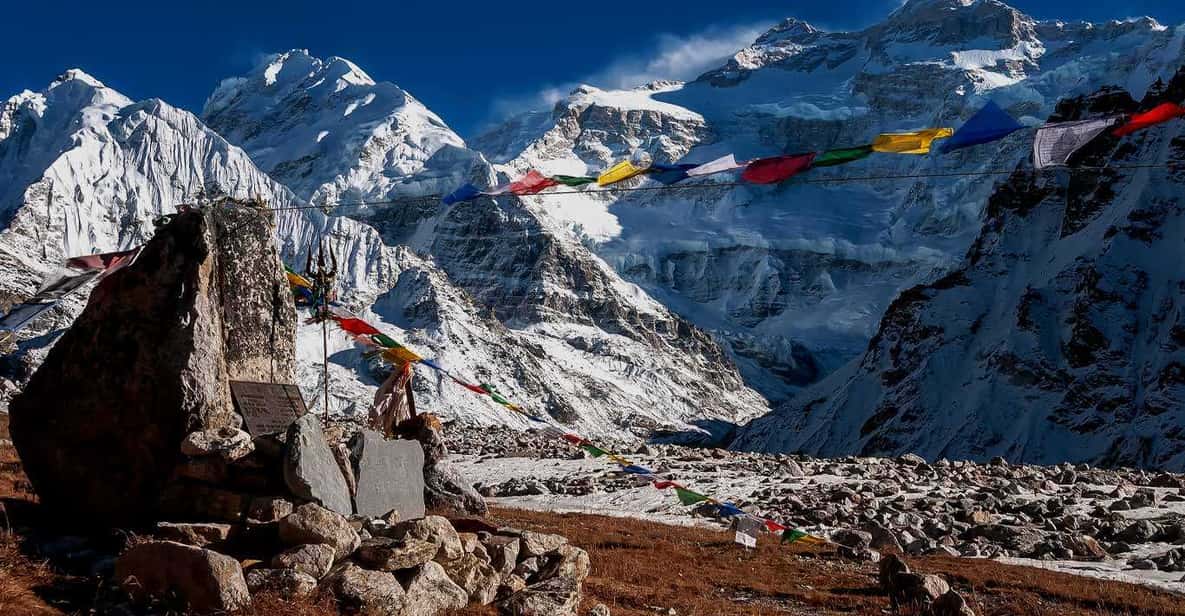
According to Chris, "We undertook daily 24 hour urinary collections during our ascent to Kangchenjunga Base Camp ... Pissing into a bottle when you're tired and hypoxic ... every day for almost two weeks ... it's about as glamorous as it sounds..."
Roger Kockelbergh and Holly Warder were in similar positions. Roger has for several years worked as a medical advisor to a company organising long distance running events. As a result he was able to collect detailed data on blisters from large numbers of participants. Despite being incredibly common (and disabling!) very little has been published on how best to prevent (and treat!) these injuries. Roger’s detailed work goes some way to addressing these issues.
As an orthopaedic surgeon, Holly was interested in the impact lower limb joint replacements have upon the physical performance of climbers and mountaineers. From her interviews, it was clear that large numbers emerge from extensive surgery able to return to the activities that they enjoy so much.
Chris, Roger and Holly are all currently working on publishing their research in the medical literature.
Read this interview with Roger to find out more about his MSc.
But just as many join us with only an area of interest in mind. Working 1 to 1 with UCLan lecturers these students are able to build a research project taking these interests into account. Take Ben Marshall's experience as an example. Ben was keen to unravel the confusion that existed between treating Covid-19 pneumonitis and High Altitude Pulmonary Edema (HAPE). Much had been published to suggest that since both conditions share similar clinical features they could both be treated with the same drugs. Using a systematic process developed with the team at UCLan, Ben was able to show that whilst drugs like dexamethasone treated both conditions, the enormous differences in underlying pathophysiology meant that many other agents did not.
Two of our current students - Nick Marriage and James Bridger - came to the MSc keen to build upon their previous mountain experience. As an ultra runner, Nick wanted to look more closely at the injuries and illnesses that affect those who embark upon multi day running activities, whilst James' experience at high altitude led him to develop a medical kit tailored for use at the very highest of altitudes. With help from a number of experts in the field, James was able to devise a questionnaire and then distribute this to mountain guides and health care professionals with high altitude experience. The results of this work will mark the first steps in understanding the conditions suffered on a high altitude "summit day" and the ability of individuals to treat these conditions. In time, this will make it possible to design a medical kit that reflects the experience of those consulted.
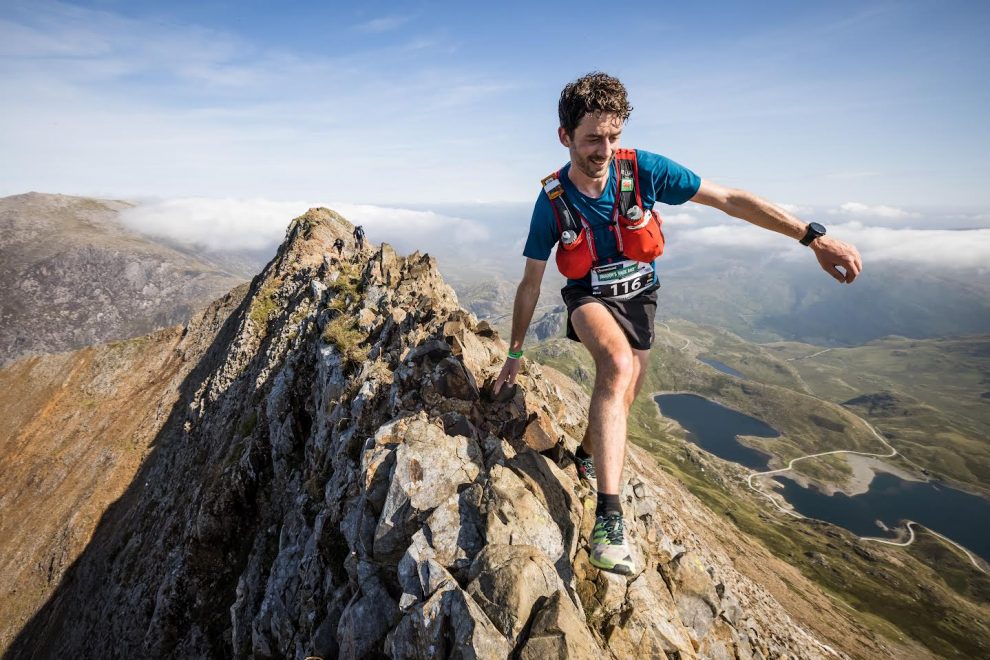
Nick Marriage took his research one step further - not only is he using data from ultra events for his MSc - he's also completed one! In September 2023 he finished a highly impressive 30th in the 6-day Dragon Back Race. Congratulations Nick!
Since the MSc programme was launched in 2021 we have set about building connections with many of those involved in mountain medicine. Just take 5 minutes to look at some of the posts on this blog - you'll hear from countless experts and organisations who are looking to improve safety and success in the mountains. Through these connections it has been possible to get students fixed up with projects that closely match their interests. For next years MSc students we're already working with mountain rescue teams and multi day race organisers to do just this!
So, are you a DiMM holder and have a research question that you’d like to answer? Or if not, would you like help finding one? If the answers to either of these questions is “Yes!” why not enroll on the UCLan mountain medicine masters programme?
For more information about the University of Central Lancashire's Diploma in Mountain Medicine (DiMM) take a look at this.
Thanks for reading this post. If this is what you're interested in why not take a look at other posts on the blog? Better still, how about joining the British Mountain Medicine Society? More information can be found here.

Comments
Leave a comment.
Leave a comment.

 )
) Bronze
 Silver
 Gold
Gold Platinum
 Palladium
 Internal